Berlin Public Transport System Guide: 10 legal travel hacks
Having lived in Berlin for almost 14 years, one of the things I appreciate about living here is the extensive Berlin’s public transport system is extensive, user-friendly and reasonably reliable. It’s also not that expensive given its size and especially if compared with other large European cities like London or Paris. Once you know how to use Berlin’s Public Transport System, there are several legal ways to spend less on getting around. Depending on how you travel, that might mean picking the cheaper Kurzstrecke over a full-fare ticket, working out whether a 24 Stunden Karte is actually worth it for the journeys you’re planning, sharing a Kleingruppe day pass across a group, saving with a 4-ticket bundle, or switching to the Deutschlandticket if you’re staying two weeks or more. Here’s how each option works, and when it actually pays off.
PS: For more Berlin tips, checkout my guide to the best free things to do in Berlin, best hostels in Berlin, guide to the best Berlin bars and the best day trip from Berlin: Potsdam and a post on how much does it cost to visit Berlin.
1. Berlin Public Transport: U-Bahn, S-Bahn, Buses , Trams and Water Ferries Explained
There are five main types of transportation in the city of Berlin: the U-Bahn (underground metro trains), the S-Bahn (overground suburban trains), buses, trams and then there is the not so well known BVG Ferries. There’s an S-Bahn ring around the city, making it possible to go from one clock point to its opposite in around 30 minutes or less. There’s also an east-west line and a north-south line, maximising connectivity. There are 10 U-Bahn lines that cover most of the city. The rest is connected by bus or tram.
The tram network still runs mostly in the former East, but this is no longer a reliable rule of thumb: since 2023, several tram lines (M5, M8 and M10) have been extended west to Berlin Hauptbahnhof and into Moabit, a former West Berlin district, restoring tram service there for the first time in around 60 years. So you can no longer assume you’re in the former East just because you’re on a tram.

2. Berlin U-Bahn Opening Hours and Night Transport
During weekdays, the U-Bahn runs roughly 5am till 1am. At weekends and on nights before public holidays, there’s 24-hour service, but with reduced frequency, meaning you may have to wait up to 20 minutes for the next train overnight. There are buses that replace the U-Bahn line routes on weekday nights.
3. How to Buy and Use Berlin Transport Tickets
There are some important things to note about tickets for the Berlin transport network:
Tickets can be bought from machines at all U-Bahn and S-Bahn stations, onboard machines on trams, or from bus drivers. They can also now be bought digitally through the BVG app, so paper is no longer the only option. All single-journey or day tickets bought as paper tickets must be stamped to validate them before use, in the red or yellow boxes on train platforms or onboard buses and trams. The machines can be slow to print, so allow time for this. Tickets bought via the app are automatically valid from the time of purchase and don’t need to be stamped. There are no barriers at stations, but instead there are random checks on the trains by plainclothes inspectors. If you’re caught without a valid ticket, the fine is a flat €60, requested as immediate cash or card payment. Inspectors in Berlin are notorious for being strict, and being a foreign visitor is not a valid excuse: unpaid fines are pursued and can accrue interest. However, there are several perfectly legal ways to get the most value out of the Berlin public transport system. Whether they’re worth it for you depends on how long you’re staying and whether you already know people living in the city.
4. Free Travel Companion Rule: Berlin’s Mitnahme Perk
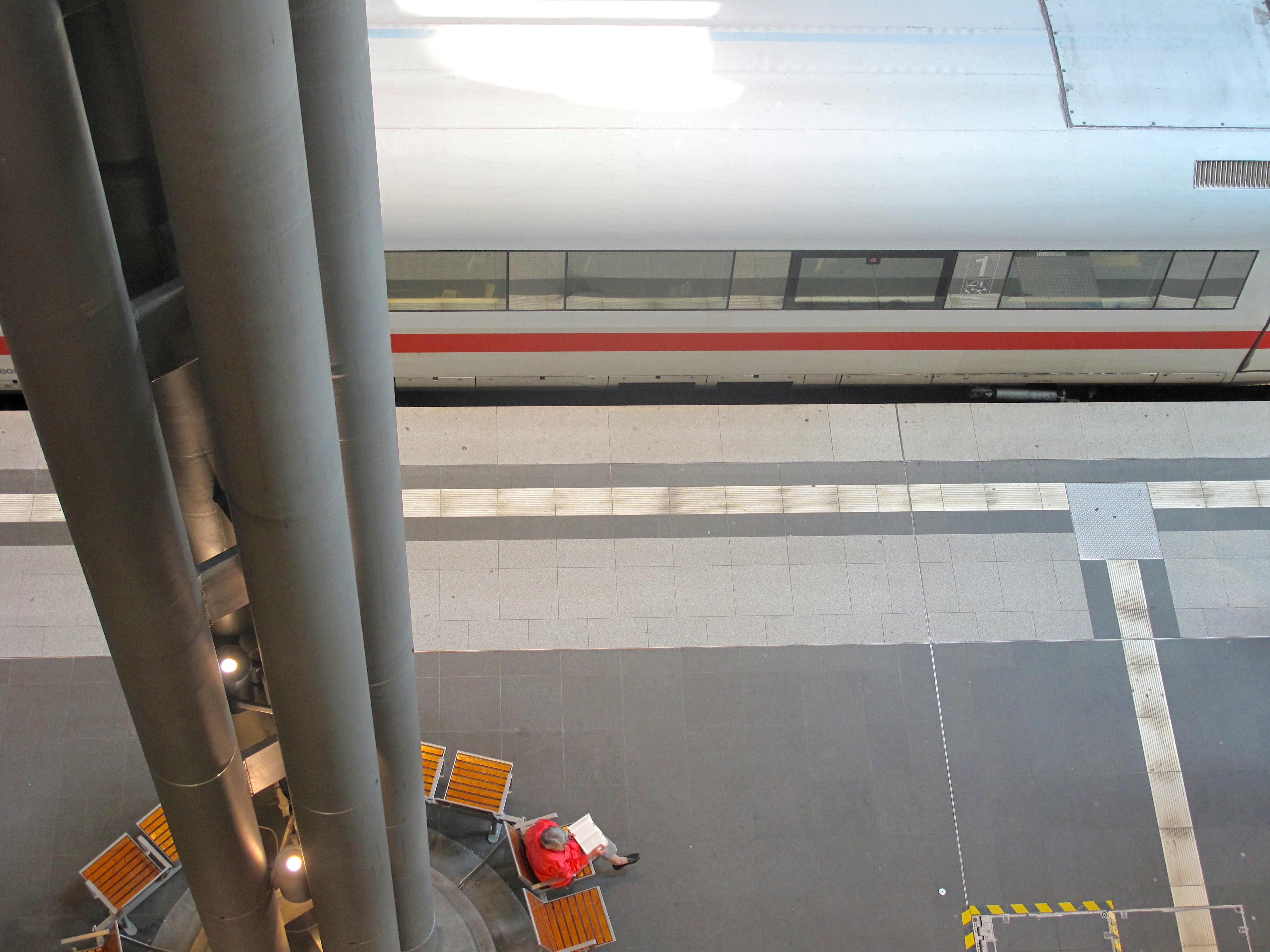
After 8pm on weekdays, and all day at weekends and public holidays, a person with a VBB-Umweltkarte subscription (from around €73 to €113 a month depending on tier and subsidy) can take one other adult with them for free. If you’re couchsurfing, for example, check with your host whether they have one before buying your own ticket.
5. Kurzstrecke: Berlin’s Cheaper Short-Journey Ticket
Single-journey tickets come in two types: long and short. Long journeys cost €4.00 each and are valid for travel in one direction for two hours after validating, with unlimited changes and breaks in that time. Short journeys cost €2.80 each and are valid for a journey of three consecutive U-Bahn or S-Bahn stops, or six consecutive bus or tram stops. Consider how far your journey is before buying a ticket, since it may be possible to use a short-journey ticket instead of a long one. A pack of 4 short trip tickets costs €7.80 while a normal 4 trip ticket costs €12.40 .
6. Berlin Day Ticket (24-Stunden-Karte): Is It Worth It?
The Berlin day ticket (24-Stunden-Karte) now costs €11.20 and is valid from the time of validation until 3am the following morning. It’s only worth buying if you’re planning three or more long journeys in a day; otherwise, stick to Kurzstrecke aka single tickets.
7. Best Group Ticket for Berlin: Kleingruppe Day Pass
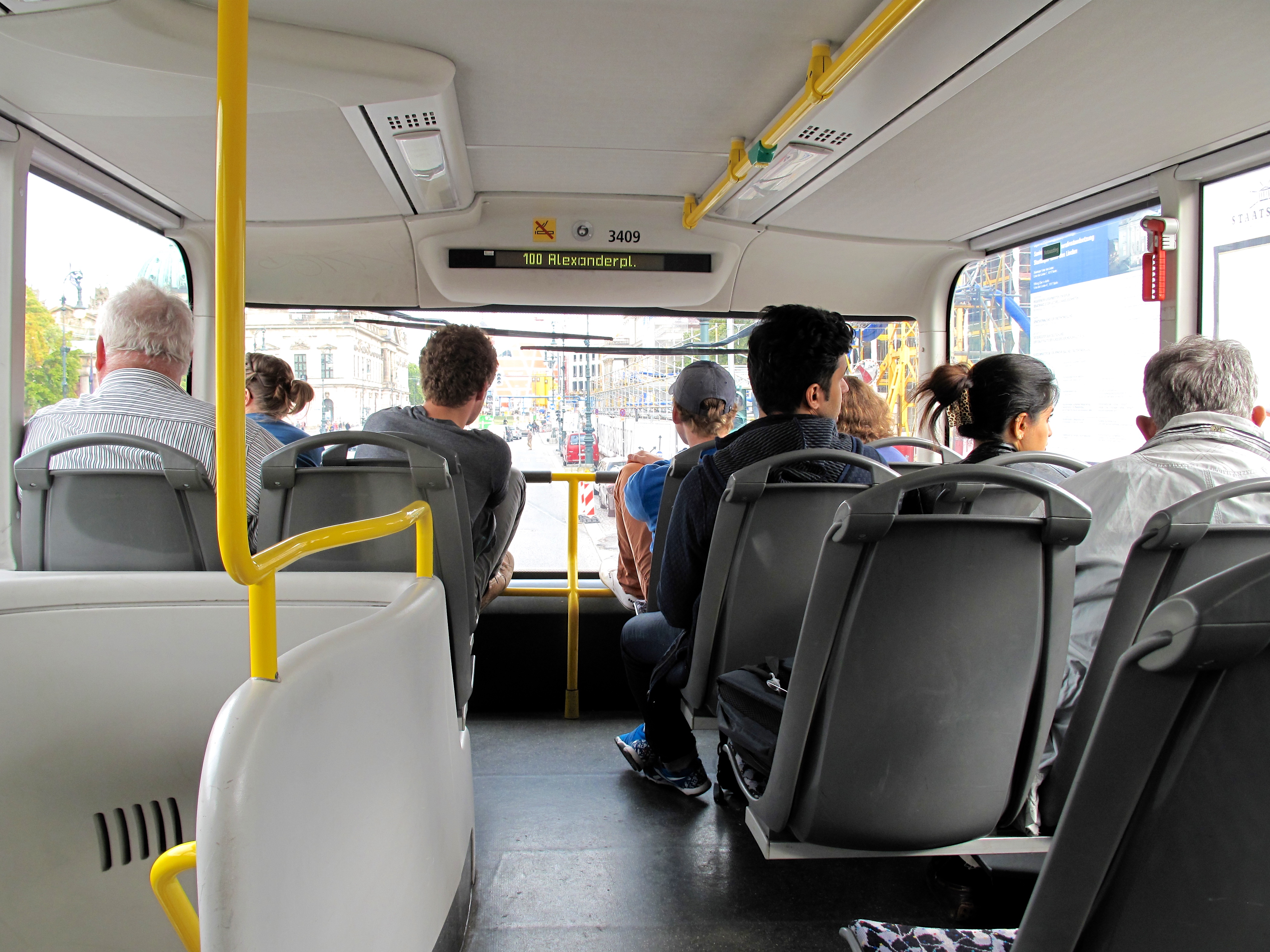
If you’re visiting Berlin as a group of friends or family ( group of three to five ) and looking for the best deal on public transport tickets , then the small group day ticket for €16.90 will be worth it for you. Like the single person day ticket, it runs from time of validation until 3am the following morning. Just remember that the group will not be able to separate and will have to stick with the person carrying the ticket all day.
8. Save Money With Berlin’s 4-Ticket Bundle
If you’re planning several single journeys, buying them in sets of four gives a small discount. A single long journey costs €4.00, but a set of four is €12.40, working out to €3.10 each. Short journeys are €2.80 each, but a set of four is €7.80, or €1.95 each.
9. Staying in Berlin 2+ Weeks? Get the Deutschlandticket
The old 10-Uhr-Monatskarte, previously the best option for longer stays who didn’t need early-morning travel, was discontinued as of 1 January 2026. In its place, the Deutschlandticket at €63 a month is now the best value option for anyone staying two weeks or more: it covers all public transport in Berlin (and nationwide on regional trains, buses and trams) with no time-of-day restrictions, and it undercuts even the standalone monthly Berlin AB ticket, which now costs €113 without a subscription discount.
10. BVG ferries: Berlin public transport by water
With almost 100 lakes within the city limits, one of the lesser known forms of public transport in Berlin are the BVG ferries. Covered by a standard transport ticket, you can hop on these ferries for FREE. Here are some of the popular routes. There are 3 ferries running year-round: the F10 across Wannsee to Alt-Kladow (the most popular with tourists, roughly 20 minutes, no round trips allowed), the F11 linking Baumschulenweg and Oberschöneweide (a quick Spree crossing dating back to 1896, and a favourite with cyclists on the R1 Europe route), and the F12 between Grünau and Wendenschloss over the Dahme. The other three ferries run seasonally, from spring to autumn: the F21 to the Kuhle Krampe campsite near Schmöckwitz, the F23 through the Müggelsee area near the fishing village of Rahnsdorf, and the oddest of the lot, the F24, an actual rowboat that’s carried passengers across a short stretch of water since 1911.




Very efficient guide to getting around Berlin … a native German would be proud!
Oh, thank you, Beth! What a compliment!
Good information however I already left Berlin with 2 of the 4 tickets I bought as a pack … wondering if they expire?
Good question. Think they will be still good-hold onto them!