Norse Atlantic collapse: What to do if your airline goes bust
Why I’m writing this now
Norse Atlantic , one of the few decent long haul budget airlines, grounded all their flights on 26th November 2026. The board says it will file for bankruptcy unless short-term money turns up fast. So, if you one of the unlucky few ( estimated 2500 British passengers are stranded abroad ) who are chasing a Norse Atlantic refund and want to know your options, it will depend on one thing above all: how you paid for your flights.
Affected routes include Gatwick to Orlando, Bangkok, Phuket and Cape Town, plus the seasonal Manchester to Bangkok service due to start on 15 December 2026. Norse also flew winter charters for P&O Cruises ( joining and leaving ships in Barbados ) and aircraft with crew for Pakistan International Airlines, which has switched its UK flights to its own planes.
I’ve flown budget long-haul for years and watched Monarch, Thomas Cook and Primera go under and here is one key thing: passengers who act early and know their rights get their money back. Those who wait for the airline to sort it out usually don’t get paid. This guide is for Norse passengers, but it works for any airline failure.
One honest caveat: Norse has suspended flights but, as I write, it has not formally gone bust. That matters, and I explain why below. Check the latest before you act.
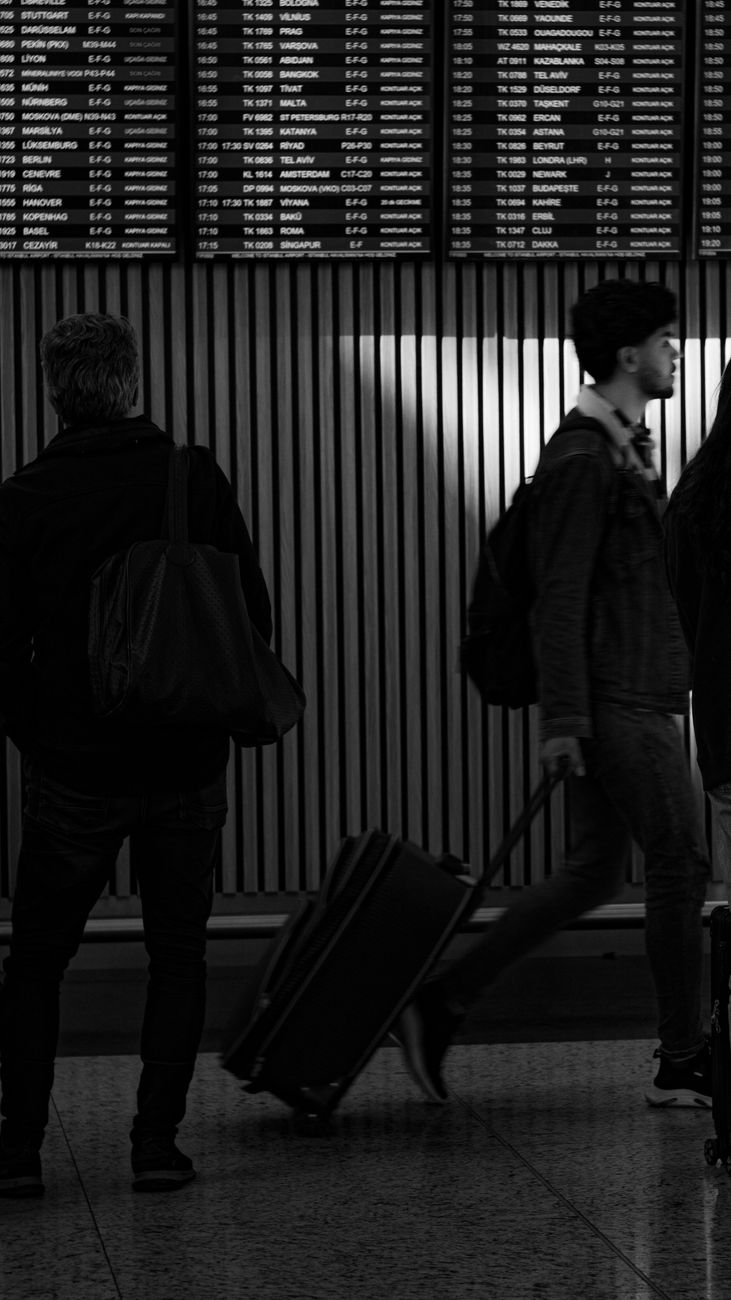
Your first 24 hours are critical
Don’t sit and wait for an email from the airline. It may never come. Do these things today.
1.Save everything
Booking confirmation, e-ticket, payment receipt, bank or card statement, any emails or texts from the airline. Screenshot the booking page while the website still works.
2. Note how you paid
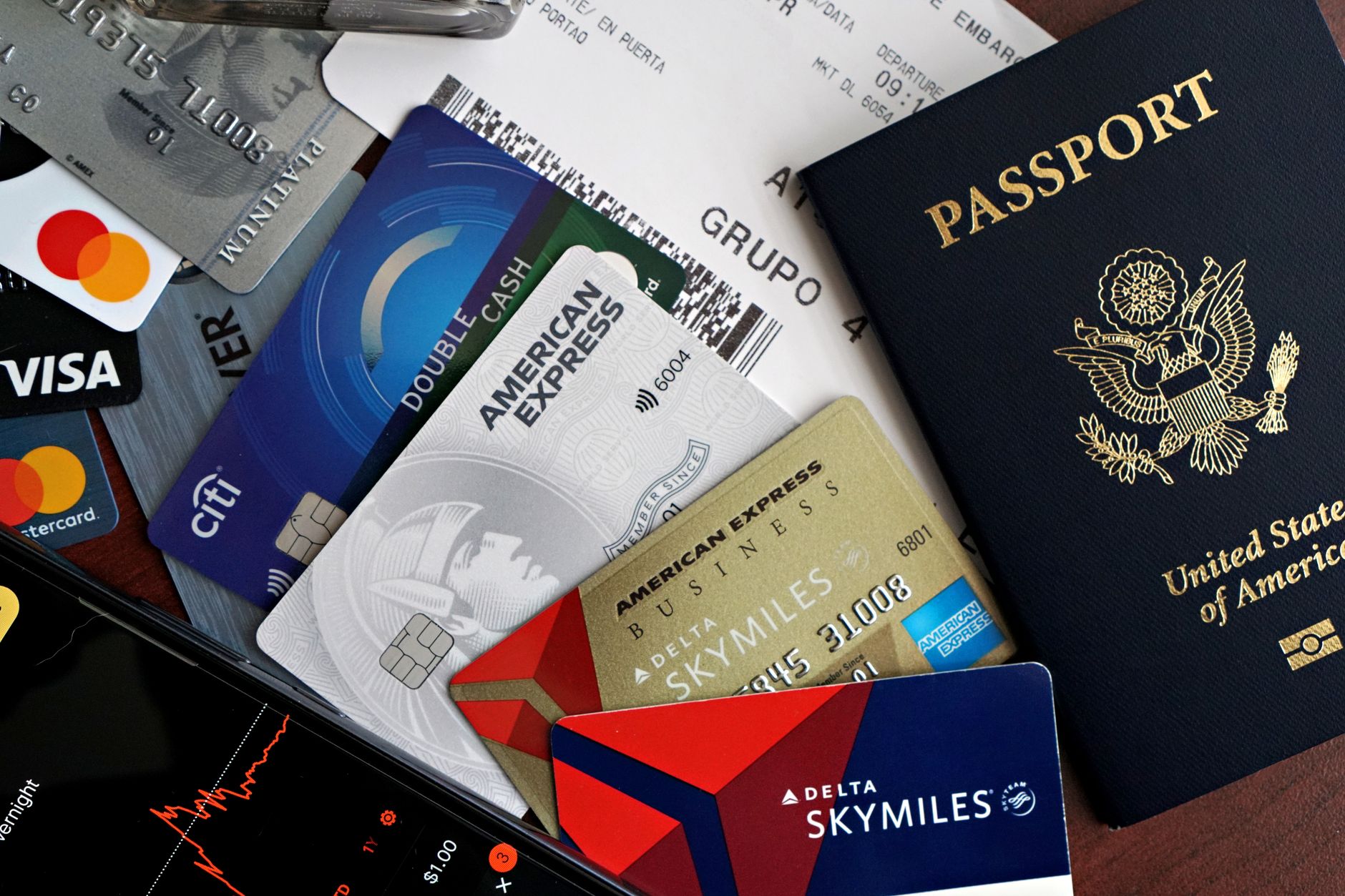
Depending on what you used to pay for your flights: Credit card, debit card, PayPal, or through an agent or package company will decide, whether you can claim a refund.
3. Ask the airline for a refund anyway
While a suspended airline still legally exists, a cancelled flight still gives you the right to a refund. Put the request in writing so you have a record, even if nobody answers.
4. Watch the official channels
The airline’s website and the UK Civil Aviation Authority both post updates and guidance for passengers. If an administrator or liquidator is appointed, you may need to register as an affected customer.
5. Don’t book a replacement flight in a panic
if you’re still at home. First check whether your card, package or insurance will cover the cost.
6. Keep every receipt
If you are abroad, keep every receipt for hotels, food and new flights. You’ll need them for any claim.

Getting your money back: Section 75, chargeback and refunds
Section 75 of the Consumer Credit Act 1974 offers fantastic protection to UK consumers and is automatically applied when you pay by credit card for anything costing between £100 and £30,000.
Under Section 75, your credit card company is jointly and severally liable with the seller. In plain terms, if a travel company doesn’t deliver what you paid for, you can claim your money back from your card provider, not just from the company. That covers a company going bust, cancelling your trip or breaking its contract in some other way.
It’s most effective if you booked your flights independently rather than as a package, and your airline or hotel hasn’t refunded you through the usual channels. One key thing to remember: it only works when you purchased your flighs with a credit card. If you paid by debit card, ask your bank about a chargeback instead. It works in a similar way but isn’t a legal right, so it’s not as strong.
To recap
| How you paid | Where to claim | What to know |
|---|---|---|
| UK credit card | Your card provider, under Section 75 of the Consumer Credit Act 1974 | Covers single purchases over £100 and up to £30,000. The card company is jointly liable with the seller, so it has to pay up if the airline can’t. |
| Debit card, or credit card under £100 | Your bank, through a Visa or Mastercard chargeback | Not a legal right, it’s a card scheme rule. Banks set time limits, so claim quickly. |
| PayPal | PayPal Buyer Protection | Also voluntary, with its own deadlines. Open a dispute in your account. |
| Package holiday or ATOL-protected booking | The package firm or the ATOL scheme | See the next section. This is the strongest protection there is. |
| Travel insurance with airline failure cover | Your insurer | See the insurance section. Check your policy wording first. |
Your bank or card provider is the one who decides whether you qualify, so call them and ask. Be clear that the flight was cancelled because the airline failed and that you received nothing for your money.
A tip from experience: if you booked through an online travel agency rather than direct, the card payment goes via the agency and that may complicate a Section 75 claim. Ask the agency first, then your card provider. ( While it may cost extra, always have better protection if you buy direct via an airline website )
The free UK International Consumer Centre gives impartial help if you’re stuck.
Packages and ATOL: the gold standard
If your flight was part of a package, you are in the best position. Package travel rules in the UK and EU require the seller to protect you against insolvency and that includes the airline going bust. In the UK, ATOL covers package holidays and flights sold by ATOL-licensed companies. If you haven’t travelled yet, you will be refunded. If you’re already have travelled, they will cover your return flights. Check for an ATOL certificate in your booking emails.
The catch: flights bought directly from an airline are not ATOL-protected. Most Norse passengers booked direct on its website, so ATOL won’t help them. The same gap exists across the EU, where stand-alone flights carry no insolvency protection. For a flight-only booking, your payment method is usually your main safety net.
Does travel insurance cover airline failure?
Airlines tend to fail overnight, and a direct refund from a bust carrier is unlikely. That makes insurance one of the best routes for getting your money back, but only if your policy actually covers airline failure.
This cover is often called Scheduled Airline Failure Insurance, or SAFI. It is not standard. Many policies leave it out or sell it as an optional extra. When the UK’s Airline Insolvency Review looked at this, it found only around half of policies included it. Some travellers had paid twice for overlapping cover, while others had none at all.
Where SAFI is included
- the cost of flights you can’t use and can’t get refunded elsewhere
- prepaid hotels, tours and activities you lose because you can’t travel
- extra costs if you’re stuck abroad, such as more nights in a hotel or a new flight home
Call your insurer, quote your policy number and ask directly: “Does my policy cover the insolvency of a scheduled airline?” Get the answer in writing.
One point many people miss: a delay or cancellation for other reasons (weather, strikes) is a separate part of your policy with its own rules.
Which UK insurers include airline failure cover?
Not many. Which? found only around 10% of the policies it checked cover airline failure. Comparison site MoneySuperMarket.com puts it at under 10%. Here are UK policies whose own documents or provider pages say they include it. Check each one before you buy, because insurers change their cover often.
| Insurer and policy | What’s included | Key Details & Fine Print to Watch |
|---|---|---|
| Globelink: Comprehensive, Winter Sports and Annual Multi Trip | Airline failure and end supplier failure as standard | Covers broader non-flight providers (hotels, car hire) directly booked as part of the trip. |
| LV= Premier | End supplier failure, which includes transport providers | Listed as Bankruptcy of travel provider up to £10,000 per person with no excess. Not included on Essential. |
| AllClear Platinum | Scheduled airline failure as standard | Included as standard on Platinum , lower tiers require an optional add-on. |
| Coverwise Silver Select | Scheduled airline failure, up to £1,500 | You claim under airline failure or travel disruption, not both |
| Cover For You | Scheduled airline failure on all levels, end supplier failure on Platinum | Reported limit of up to £2,500 |
| Holiday Extras | Most of its policies include scheduled airline failure | Most don’t include wider end supplier failure |
| NFU Mutual | Pays out if an airline or holiday supplier goes bust | Requires an existing NFU Mutual home policy. Standard wording focuses on transport failure (up to £1,000 to reach your departure point) rather than full standalone SAFI. |
Two terms to know. Scheduled Airline Failure Insurance (SAFI) covers the airline only. End supplier failure is wider and can also cover hotels, ferries, car hire and other providers you booked separately. If you book everything yourself, end supplier failure is the better cover.
Watch the limits. Payouts are often capped at £1,500 to £2,500 per person. That may not cover a last-minute long-haul flight home.
Too late for Norse
You can’t buy cover now for a failure that’s already public. Insurers exclude events that were known when you took out the policy. If you’re a Norse passenger, check the policy you already hold.
Stranded abroad: getting home
This is the scary one. Your return flight has vanished and you need another way back. Here are the routes, roughly in order of reliability.
- ATOL or your package company. If you’re protected, they have to bring you home. Call them first.
- Rescue fares. Other airlines sometimes offer discounted seats to stranded passengers. These are voluntary and usually only on routes they already fly. You’ll typically need to show your original booking. They’re underused: after Primera Air collapsed in 2018, only about 500 of some 5,000 stranded UK passengers took one up.
- Book a new flight yourself and claim the cost later from your insurer, if your policy has airline failure cover. Keep every receipt.
- Government repatriation. Don’t count on it. When Monarch failed in 2017, around 85,000 passengers were flown home, most on their original travel day. When Thomas Cook collapsed in 2019, about 150,000 UK travellers came home on more than 1,000 chartered flights over two weeks. But these were political choices, not legal rights. Flight-only passengers on a smaller airline are far less likely to get the same treatment.
My advice if you’re stuck: don’t wait at the airport hoping for an announcement. Check rescue fares- being off season the flights will hopefully not cost too much,booking last minute. Please do compare a few airlines on your route ( recommend Skyscanner ) , and make a decision. Prices rise fast as stranded passengers rebook.
Why it all happens so fast
It helps to understand why an airline can be flying on Monday and gone by Tuesday.
Most airlines don’t own their planes. They lease them, or banks finance them, and those owners want the aircraft back quickly so they can place them elsewhere. Under an international treaty called the Cape Town Convention, which the UK applies with a 60-day window, a failed airline must either hand back the aircraft or settle its debts. After that the owner can take the plane without going to court.
Meanwhile, fuel, ground handling and maintenance suppliers start demanding cash up front or simply stop. Airports can hold aircraft over unpaid fees, which happened to Thomas Cook’s planes. Anything valuable, like take-off and landing slots at busy airports, gets sold off. Thomas Cook’s UK slots fetched £36 million.
The upshot for passengers is simple. Once the money runs out, the planes stop almost immediately and they rarely restart.
Quick answers
What happens to my flight if the airline goes bust?
It’s cancelled, and the ticket is usually worthless. Your money comes back through your card, a package firm, ATOL or your insurer, not the airline.
Can I get a refund if I paid by debit card?
Possibly. Ask your bank for a chargeback as soon as you can. It isn’t a legal right like Section 75, and banks set their own deadlines.
Is a flight-only booking ATOL protected?
No. ATOL covers packages and flights sold by ATOL-licensed firms, not tickets bought direct from an airline.
Does travel insurance cover airline bankruptcy?
Only if your policy includes scheduled airline failure or end supplier failure cover. Most don’t, so check the wording.
Protecting yourself next time
I love a cheap long-haul fare as much as anyone. But a few habits cost nothing and could save you hundreds.
- Pay by credit card for anything over £100. It’s the single best protection for a flight-only booking.
- Check your travel insurance covers airline failure before you buy. If it doesn’t, find a policy that does or add it.
- Consider a package or an ATOL-protected booking for big trips, especially with an airline that’s been in the news.
- Sign up for airline alerts and keep an eye on flight status, so you hear about trouble early.
- Keep your booking emails, receipts and boarding passes until the trip is over and paid for.
- Know your passenger rights before you fly, so you know what the airline owes you and what your insurer should pay.
Useful contacts
- UK International Consumer Centre (UKICC): free, impartial advice. Email [email protected] or call 01268 886690. Airline insolvency guidance
- UK Civil Aviation Authority: updates and passenger guidance when an airline fails. caa.co.uk
- Your card provider or bank: for Section 75 and chargeback claims.
- Your travel insurer: for SAFI claims and costs while stranded.





Thank you! But how to find rescue fares?